Don’t Let Grandma’s Handwork End Up in a Box. Frame It.
Honor Your Ancestors by Turning Their Handwork into Art
Giving a framed piece of mom’s embroidery to your siblings is a gift that will last for generations.
It's devastating to see handmade treasures at the bottom of the box at an estate sale!
Wouldn't it be better to see and appreciate that handmade handkerchief every day?
Bring the heirloom you've been afraid to touch.
Leave with a plan to turn it into art you'll love.
LIVE ON ZOOM: TWO DAYS TO CHOOSE FROM
$48.00
Saturday Nov 7, 12-3 pm eastern
or
Tuesday Nov 10, 4-7 pm eastern
A gentle, hands-on workshop for anyone with a precious textile they don't know what to do with. Start with a practice piece, learning photo transfer and inking on cloth so you gain confidence with techniques.
We'll take a close look at everyone's textile and you'll leave with one or two real ideas for your own piece. After your practice piece you'll have the simple techniques to begin, and the confidence that you won't harm what you love.
Your guide, award-winning textile artist and IAPQ Teacher of the Year Lyric Kinard, has spent years helping nervous stitchers find the spark they didn’t know they had.
From Heirloom to Art
Suitable for all levels.
You do not need to know how to draw. You do not need fancy supplies.
You need a photo, a pile of scraps, your iron, and a few hours with me.
You'll leave with real ideas for your piece and the confidence to begin at home.
Not a finished masterpiece in an afternoon, but a true start.
It's not sitting in a box because you don't care
That quilt in the bin. The lace in the drawer. Too loved to let go of, too precious to risk cutting into, so it waits in the dark.
You wonder who will care for it when you're gone or if it will be abandoned to an estate sale grab bag.
You're not stuck because you lack skill.
You're stuck because it has felt like there are only two choices, keep it hidden or ruin it. There's a kinder path between those two, and that's the one we'll walk together.
There's a path between keeping it perfect and losing it because the next generation doesn't understand it's value
Think of that textile as a letter. It was made for you, or for someone you loved, by hands that cared. It has been folded and tucked away for years. Keeping it sealed in the drawer protects the paper, but it leaves the letter unread.
That's the whole idea behind this workshop. There's a way to honor the maker and bring the piece back into your life, where it can be seen and loved. It isn't all-or-nothing. It works in three gentle steps.
A bonus for signing up early: register by November 2nd and you’ll get a little extra:
A running head start.
Send me photos of your textiles, the stories behind them, and any ideas you’re already turning over, all before we meet. I’ll have studied your piece ahead of time, so our brainstorm on yours starts from a running head start instead of a cold read.
Personal feedback.
After the workshop, send me a photo of how your piece is coming along and I’ll give you my personal thoughts on your next step.
What to bring, and what you keep
Bring two textiles: the heirloom you want to make a plan for, and a damaged or expendable piece to practice on first, so you never learn a new technique on the textile that matters most.
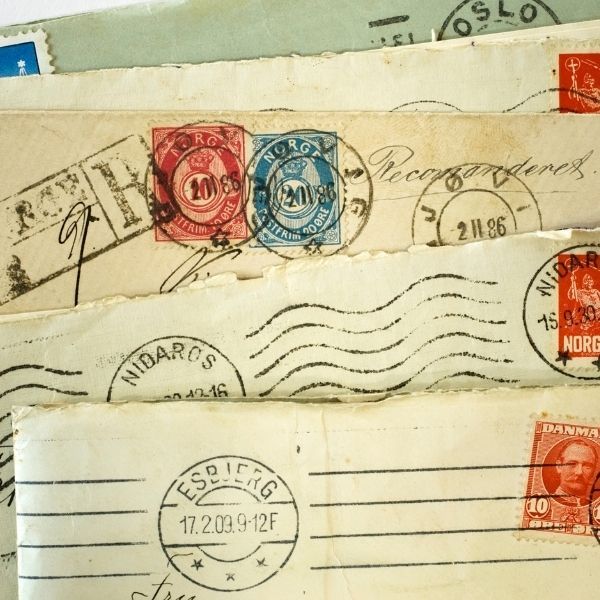
Bring stories: photos, letters, and your own memories.
You'll also have access to two recorded lessons, photo transfer and framing to rewatch at home whenever you need them.
The details
When:
Saturday, November 7, 12 to 3 pm Eastern
or
Tuesday, November 10, 4 to 7 pm Eastern
Where:
live on Zoom, from your own table
Seats:
just 24, so there's time for every piece in the room
Your seat: $48
Because it's live with limited seats and everyone needs individual attention
If you're unsure whether it's right for you or your piece, email me first at lyric@lyrickinard.com and I'll help you decide
What we'll do together
- Look and listen before you cut. We start with the pieces you brought.
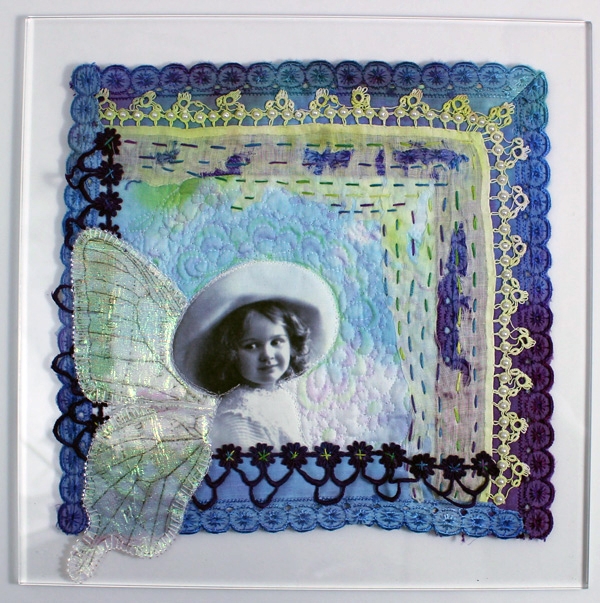
Together we'll look closely and talk through what each one is really asking for: what should be conserved as it is, and what's ready to become something new. You'll also learn gentle ways to clean and refresh a tired or fragile textile like an old quilt, so you're working with it at its best. By the end of this hour, the scariest decision feels handled. - Find the idea, together. This is the heart of the workshop.
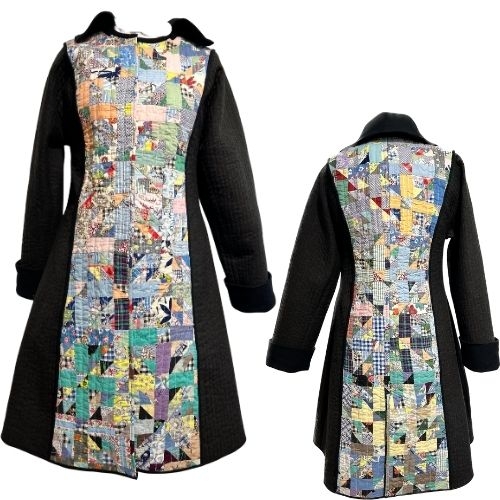
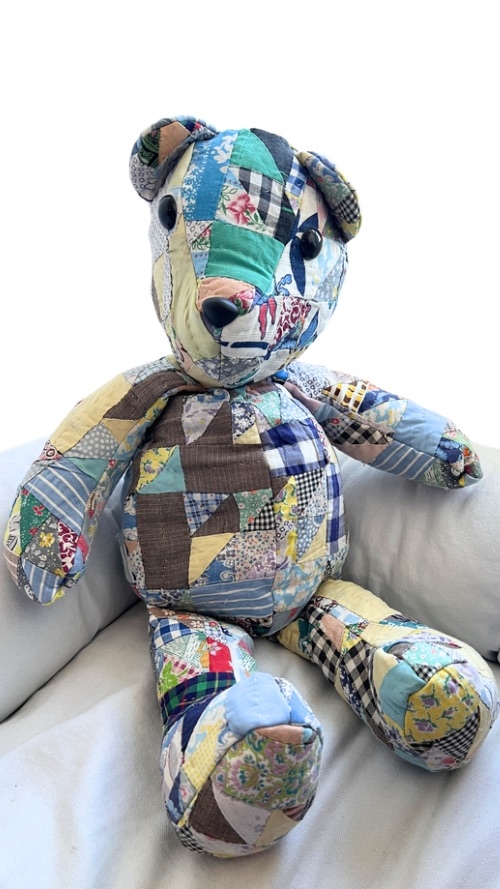
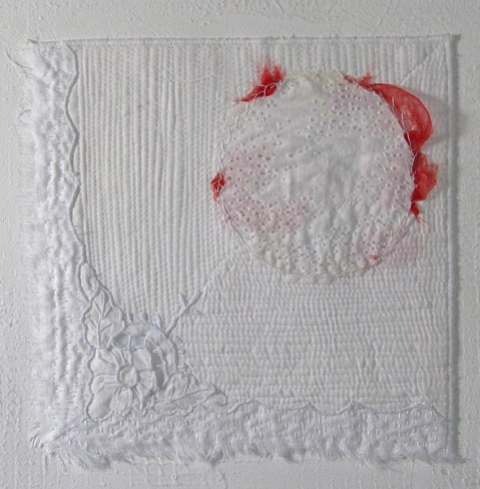
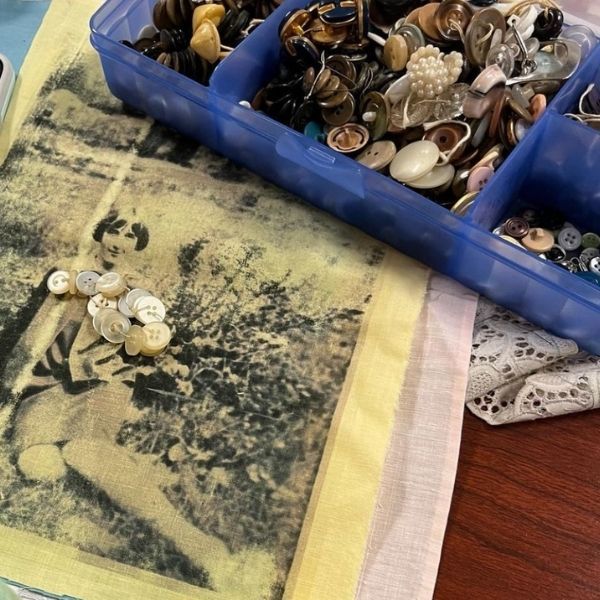
As a group, we'll brainstorm what each person's textile could become, because the best idea almost always comes from the room, not from a book. I'll show you a wide range of what's possible: framed pieces that have been layered, stitched, written or painted on, or given a photo transfer, with buttons and beads from old clothing and jewelry worked in. Then the more usable side, throw pillows, quilt coats and jackets, even a teddy bear. You'll leave this hour with one or two real directions for your own piece. - Learn the how. Now the techniques that bring it to life.
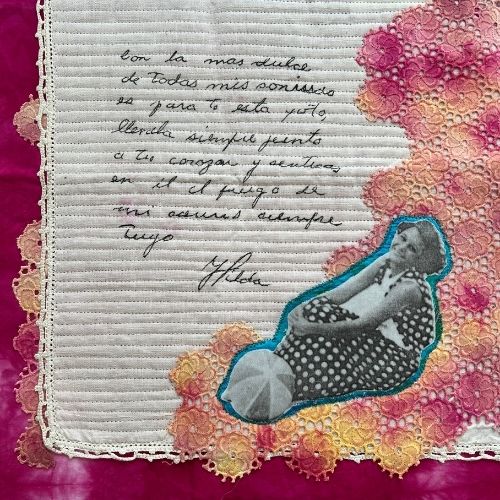
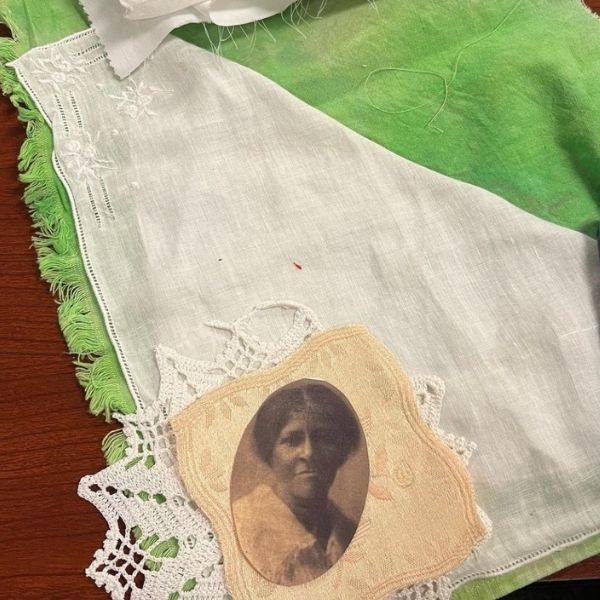
Words and symbols matter to the story you want to preserve and honor. We'll work through photo transfer, so a face or a handwritten letter can become part of the cloth, and framing and mounting, so a finished piece is ready for the wall. If you're leaning toward something wearable, we'll talk about coat, vest, and jacket patterns that suit heirloom fabric, including the simple trick of lifting a pattern from a ready-to-wear piece you already own. - And a little extra. We'll finish with your questions, your what-ifs, and the pieces you weren't sure about, so you leave seeing possibilities instead of feeling stuck with just one.
If you're hesitating
What if I ruin it?
You won't cut anything without guidance, and you'll practice on your expendable piece first. Many of the directions we explore don't involve cutting at all.
I'm not an artist. Can I do this?
Yes. If you can thread a needle, you're ready. The techniques are simple, and your textile is already beautiful.
It feels wrong to cut up something she made.
She made it to be loved and seen, not sealed away. A quilt on the wall is remembered. Nothing is ever forced, and you stay in charge of your piece the whole way.
What kinds of textiles work?
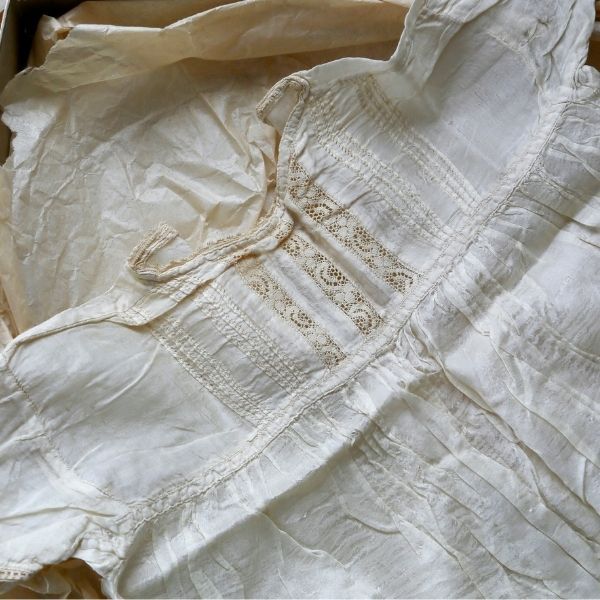
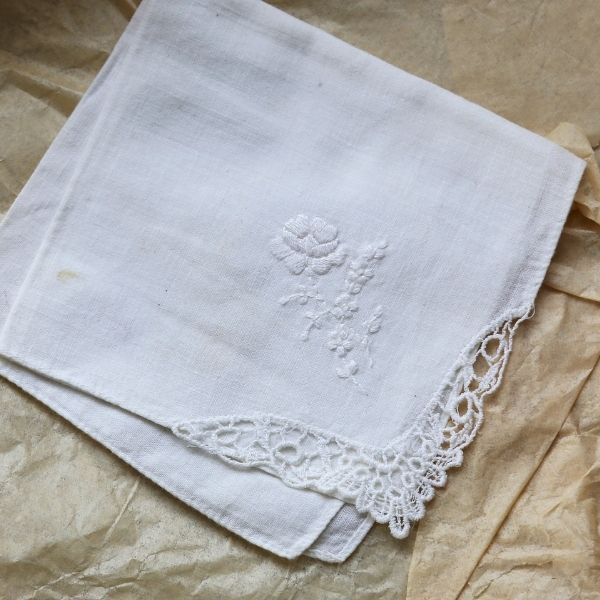
Almost anything you treasure: quilts, lace, handkerchiefs, doilies, linens, a garment, even a tattered quilt headed for a jacket.
What to Bring
Your Heirlooms to Consider and Evaluate
- Heirloom textiles: handkerchiefs, quilts, weavings, clothing, whatever has been hiding away in a box
- Photos, maps, letters, any other paper ephemera that tells the story
- Any stories you know about the textiles
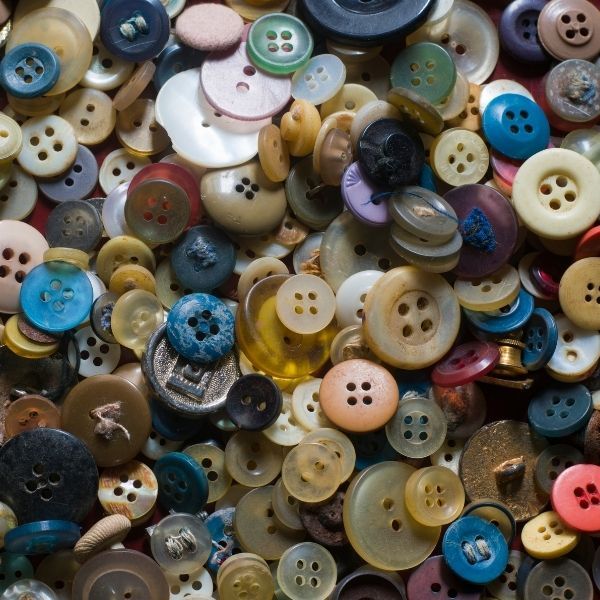
- Buttons, charms, or any other small pieces you might want to include in a piece
Textiles and Other Items to Play and Practice With
- Damaged textiles that you don't worry about cutting up or altering to practice with. Bring your thrift shop finds and those old quilts and tops that are stained and torn.
- Photocopies and scans of letters and photos you might wish to play with
- Buttons, charms, or any other small embellishments you might want to play with
- Background fabrics, roughly fat-quarter size or a bit bigger, to mount everything onto. Cotton, linen, or a hand-dyed piece. Something that plays well with the heirlooms, not against them.
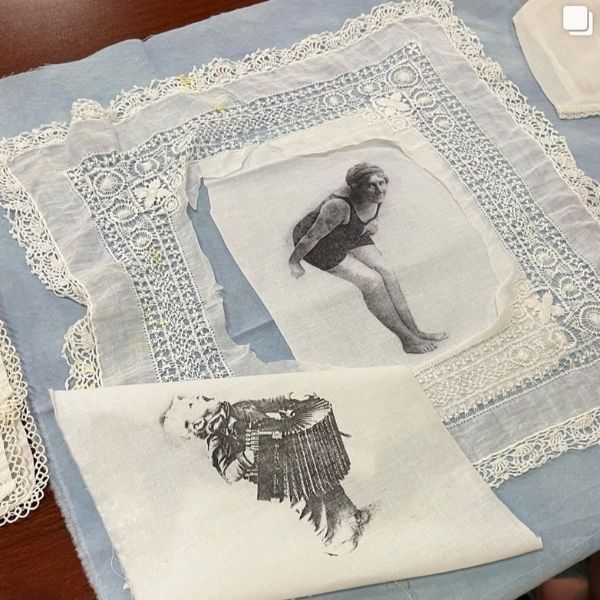
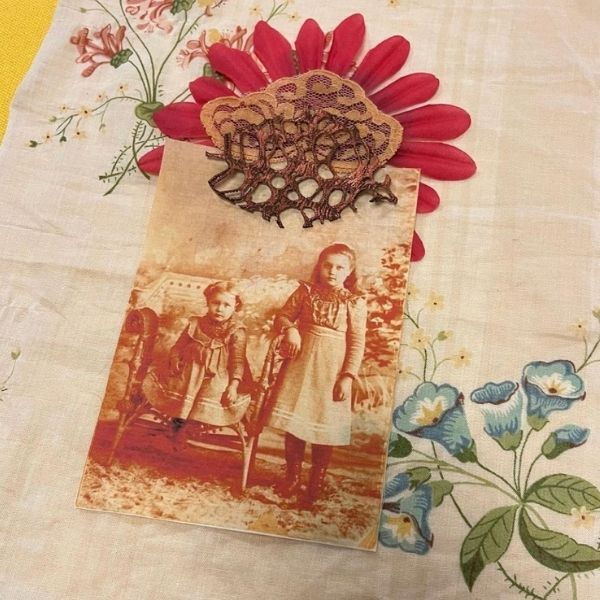
Work in Progress by Previous Students
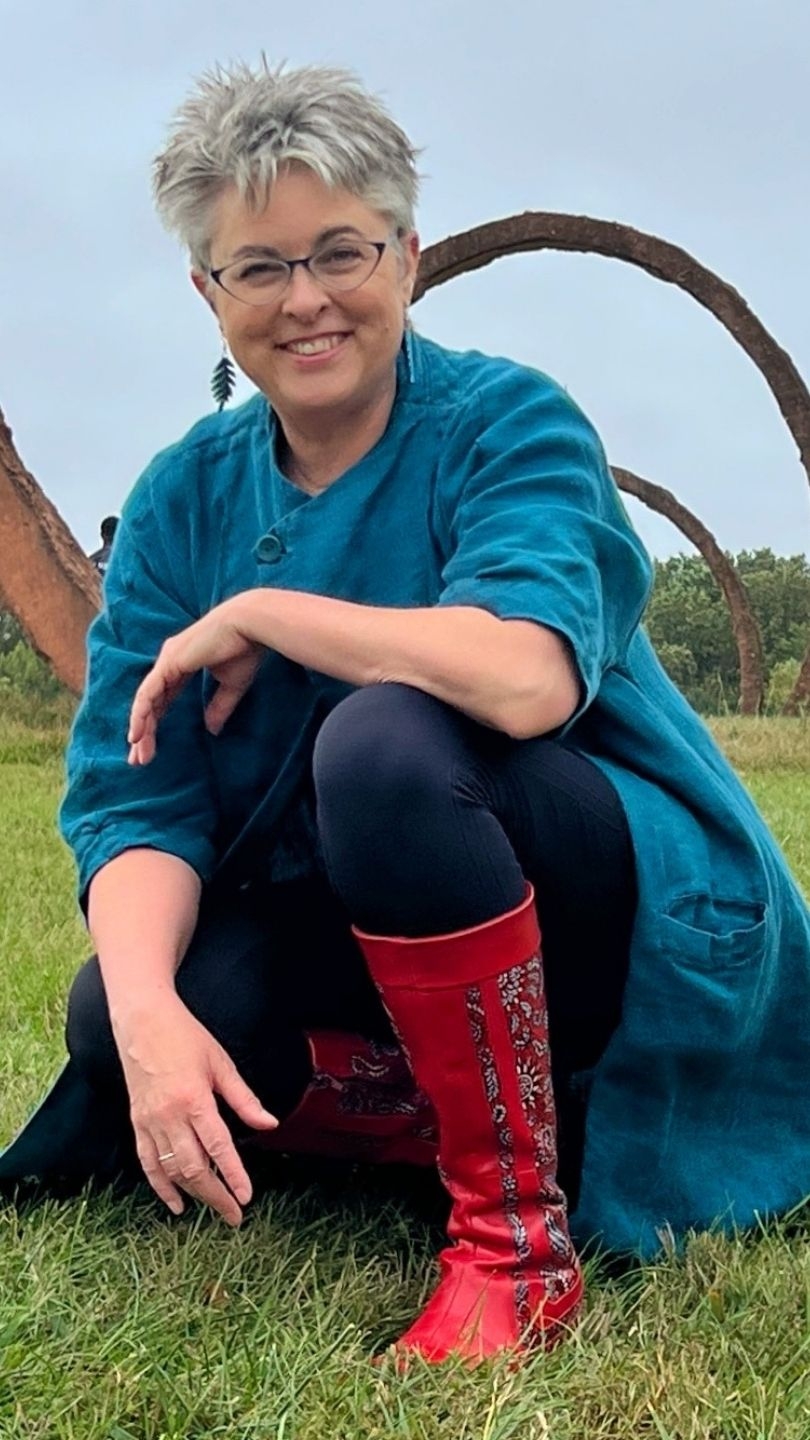
Meet Your Teacher: Lyric Montgomery Kinard
Lyric is an award winning textile artist with a passion for sparking the creativity that she knows each of her students possesses. With playful support and gentle encouragement she creates a classroom environment where discovery and joy are the products of a willingness to freely play and fearlessly learn.
One of Lyric’s greatest joys is sharing that moment when a student realizes that they do, indeed, have a spark of creativity inside them. She then gives them the tools to fan that spark into a steady flame.
As a recognition of her skill in the classroom she has been named the IAPQ Teacher of the Year for 2011. She is the author of the book Art + Quilt: design principles and creativity exercises. She has written extensively for Quilting Arts and a number of other magazines, appeared on Quilting Arts TV, and The Quilt Show, and is co-founder of the Global Quilt Connection.
* links are affiliates - I may earn a few pennies in commission with your purchases

Lyric Kinard
Artist, Author, Educator